Embarking on the pregnancy journey is truly special—full of excitement, anticipation, and physical and emotional changes whether you’re in the early stages of trying to conceive or have just seen that positive test, understanding what to expect each week can help you feel more connected to your body and the little life growing inside you.
In this guide, we’ll explore the common symptoms you might encounter during each trimester, from subtle early signs to more intense experiences you may face later. We’ll also highlight when chatting with your healthcare provider is a good idea.
Early Signs of Pregnancy (Weeks 1–4)
The first month of pregnancy can be pretty sneaky. Many don’t realize they’re expecting until they’ve missed their period. Here’s what to keep an eye out for:
Weeks 1–2: Technically, you’re still in your menstrual cycle, preparing for ovulation and conception. This is when your body starts gearing up for the wonderful changes.
Week 3: This is when fertilization usually happens, though you probably won’t feel any difference yet. Some women might notice a slight spotting, known as implantation bleeding, as the fertilized egg attaches itself to the uterus.
Week 4: One of the most common early signs is a missed period. Other symptoms can include mild cramping or bloating, tenderness in your breasts, mood swings, fatigue, and even increased urination or light nausea. Many of these are easily mistaken for PMS, so if you have a hunch about being pregnant, a home test can confirm it around this week.
First Trimester Changes (Weeks 5–12)
As you enter your first trimester, your body undergoes significant hormonal shifts. Symptoms can vary from barely noticeable to quite overwhelming. Here’s what you can expect week by week:
Weeks 5–6: Morning sickness tends to kick in during this time, resulting in nausea with or without vomiting. You may also find that certain foods turn you off or that you suddenly crave others. Other changes include sore breasts, extreme fatigue, mood swings, and frequent trips to the bathroom.
Weeks 7–8: Nausea might peak now, and you may notice a heightened sense of smell. Mild abdominal cramps may occur as your uterus begins to expand, along with some constipation and bloating from slower digestion.
Weeks 9–10: As hormone levels rise, you might feel more emotional, maybe even a bit weepy. Acne, headaches, and dizziness can also make an appearance.
Weeks 11–12: The good news is that many women begin to feel better by week 12. You might start to see a baby bump, especially if this isn’t your first pregnancy, and increased vaginal discharge (known as leukorrhea) is normal.
Second Trimester Developments (Weeks 13–26)
Often referred to as the “honeymoon phase” of pregnancy, the second trimester typically allows energy levels to bounce back while morning sickness fades. However, some new symptoms will likely emerge:
Weeks 13–16: You should notice a decrease in nausea and a boost in energy. Weight gain may start to pick up, and you might feel some round ligament pain, which is sharp discomfort in your lower belly or hips.
Weeks 17–20: This is when many expectant moms feel their baby move for the first time, usually between weeks 18 and 20. Skin changes, including the appearance of a dark line on your belly (known as linea nigra), stretch marks, and that pregnancy glow, may also occur. You might also experience nasal congestion or nosebleeds due to increased blood flow.
Weeks 21–24: Backaches, leg cramps, and swollen ankles or feet can show up around this time. You might also start feeling some Braxton Hicks contractions, which are practice contractions as your body prepares for labor.
Weeks 25–26: Your belly will continue to grow, and you may experience shortness of breath, heartburn, and itchy skin as it stretches.
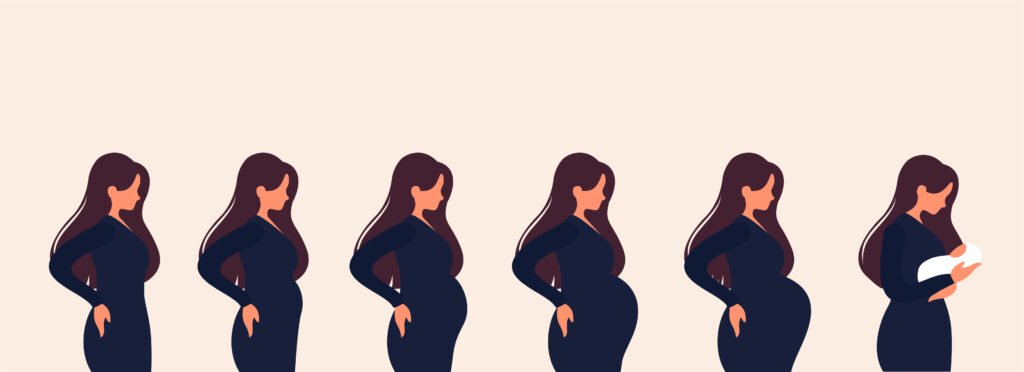
Third Trimester Symptoms (Weeks 27–40)
The third trimester can bring excitement and discomfort as your baby grows and your body readies for birth.
Weeks 27–30: You may have trouble sleeping, find yourself frequenting the bathroom more often again, and notice leaky breasts as you produce colostrum. You might also feel pelvic pain or pressure.
Weeks 31–34: Braxton Hicks contractions may become more intense. You might experience swelling in your hands, feet, and face—be mindful of sudden increases in swelling. Emotional ups and downs can also resurface.
Weeks 35–37: Increased vaginal discharge is common, and your baby might “drop” into your pelvis as they prepare for birth, which can lead to more trips to the bathroom and possible cervical changes that your doctor may notice during check-ups.
Weeks 38–40: Keep an eye out for signs of early labor, including the loss of your mucus plug, a bloody show, and more regular and painful contractions. You might also feel that nesting instinct kick in as the big day approaches. It’s common for baby movements to feel different, too—more rolling than kicking.
When to Call a Doctor
While many symptoms are perfectly normal, it’s crucial to recognize signs requiring medical attention. Reach out to your doctor if you experience:
– Heavy bleeding or severe cramping
– Sudden or severe swelling in your hands, feet, or face
– Persistent headaches or visual changes
– High fever or chills
– Noticeably decreased baby movements after week 28
– Painful or regular contractions before 37 weeks, which could indicate preterm labor
– If you have any gut feeling that something is wrong, trust your instincts!
Understanding the changes and symptoms that come weekly during pregnancy can help ease your worries and empower you during this fantastic journey. Remember, every pregnancy is unique, so knowing what to expect can help you track your body’s changes, ask essential questions, and feel more in control.
Feel free to share this guide with a friend who’s expecting, as support and knowledge are so valuable. And don’t forget to celebrate each milestone along the way—growing a new little human is an incredible achievement!