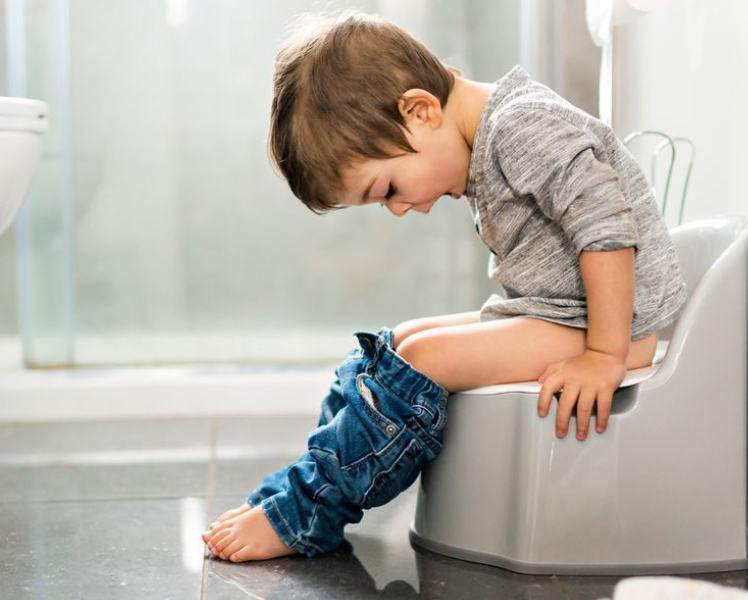
Potty training is a significant milestone in a toddler’s life, marking a transition towards greater independence. However, it’s also a phase that can be fraught with challenges for both toddlers and parents. From navigating resistance to dealing with accidents, the potty training journey can sometimes feel overwhelming. But with the right approach, a little patience, and this comprehensive guide, you can make the process smoother and less stressful for everyone involved.
Understanding Potty Training Readiness
Before diving into the how-tos of potty training, it’s crucial to understand whether your toddler is truly ready. Potty training readiness isn’t solely determined by age; it’s a combination of several factors:
- Physical Readiness:
- Bladder control: Can your toddler hold urine for a reasonable period (at least an hour or two)?
- Regular bowel movements: Does your toddler have relatively predictable bowel movements?
- Gross motor skills: Can your toddler easily sit on and get up from a potty chair?
- Fine motor skills: Can your toddler pull down their pants?
- Cognitive Readiness:
- Understanding: Does your toddler understand the concept of using the potty?
- Following simple instructions: Can your toddler follow basic directions, such as “sit on the potty”?
- Awareness: Does your toddler recognize when they need to go?
- Emotional Readiness:
- Motivation: Is your toddler showing interest in using the potty?
- Willingness to cooperate: Is your toddler generally cooperative?
- Comfort with the potty: Is your toddler comfortable sitting on the potty chair?
It’s important to note that readiness can vary significantly between children. Some toddlers may show all these signs by 18 months, while others may not be ready until closer to 3 years old. Pushing a child before they are ready can lead to frustration, resistance, and a prolonged potty training process.
Choosing the Right Potty Training Method
There’s no one-size-fits-all approach to potty training. Different methods work for different children and families. Here are a couple of popular methods:
- The 3-Day Method: This intensive approach involves focusing solely on potty training for three consecutive days. It requires a significant time commitment from the parent but can be effective for motivated toddlers.
- The Gradual Approach: This method is more relaxed and involves introducing the potty gradually over a period of weeks or months. It’s less intensive and can be a good option for toddlers who are more resistant to change.
When choosing a method, consider your child’s temperament, your family’s schedule, and your own preferences. If you’re unsure, consult with your pediatrician for guidance.
Preparing for Potty Training
Once you’ve determined that your toddler is ready and you’ve chosen a method, it’s time to prepare:
- Talk about the potty: Introduce the concept of using the potty in a positive and encouraging way.
- Read books about potty training: There are many children’s books that can help explain the process.
- Let your child get acquainted with the potty: Allow your toddler to sit on the potty fully clothed to get comfortable.
- Gather supplies:
- Potty chair or toilet seat adapter
- Training pants
- Moist wipes
- Rewards (stickers, small toys)
- Create a supportive environment: Ensure that all caregivers (parents, grandparents, daycare providers) are on board and using the same approach.
Step-by-Step Potty Training Process
The specific steps will vary depending on the method you’ve chosen, but here are some general guidelines:
- Establish a routine: Take your toddler to the potty at regular intervals (e.g., every hour or two, after meals, and after naps).
- Encourage your child: Praise your toddler for any effort, even if they don’t actually use the potty.
- Make it fun: Use songs, stories, or games to make potty time more enjoyable.
- Dress for success: Dress your toddler in clothes that are easy to remove.
- Be patient: Potty training takes time, so try not to get discouraged if progress is slow.
Handling Accidents and Setbacks
Accidents are a normal part of the potty training process. It’s important to handle them in a positive and constructive way:
- Stay calm: Avoid showing anger or frustration, as this can make your child anxious.
- Clean up matter-of-factly: Simply clean up the mess without making a big deal out of it.
- Reiterate the process: Remind your child that pee and poop go in the potty.
- Identify patterns: Look for patterns in when accidents occur to anticipate them better.
Setbacks can also happen, especially during times of stress or change (e.g., a new sibling, a move). If setbacks occur, take a break from potty training for a few days or weeks and then try again.
Maintaining Consistency and Progress
Consistency is key to successful potty training. Make sure that all caregivers are following the same routine and using the same approach.
- Track progress: Keep a chart or diary to track your child’s progress.
- Celebrate successes: Reward your toddler for using the potty, even if it’s just a small sticker or praise.
- Be patient: It may take several weeks or even months for your child to be fully potty trained.
Potty Training at Night and Naps
Nighttime potty training typically takes longer than daytime training, as it requires more bladder control.
- Wait for daytime success: Don’t start nighttime training until your child is consistently dry during the day.
- Limit fluids before bed: Reduce your child’s fluid intake in the hour or two before bedtime.
- Use a waterproof mattress cover: This will protect the mattress from accidents.
- Take your child to the potty before bed: Make this part of the bedtime routine.
- Consider a dream potty: If your child wakes up frequently at night, you may want to try taking them to the potty while they are still half-asleep.
When to Seek Professional Help
In most cases, potty training is a normal developmental process that can be managed at home. However, there are some situations where it may be helpful to consult with a pediatrician or specialist:
- Your child shows no interest in potty training by age 3.
- Your child experiences pain or discomfort when urinating or having a bowel movement.
- Your child has frequent urinary tract infections.
- Your child is withholding stool.
- You are feeling overwhelmed or stressed by the potty training process.
Potty training is a journey, not a race. There will be ups and downs, successes and setbacks. The key is to approach it with patience, consistency, and a positive attitude. Remember that every child is different and develops at their own pace. By following these tips and trusting your instincts, you can help your toddler master this important milestone and build their confidence along the way.