Understanding the Postpartum Period
The postpartum period, often referred to as the “fourth trimester,” encompasses the six weeks following childbirth. This crucial time is characterized by significant physical and emotional changes as the body begins its recovery from the demands of pregnancy and labor. Understanding this timeline is essential for new mothers to navigate the complexities of postpartum healing and adjust to their new roles.
Immediately after birth, a mother’s body begins to undergo various physiological adjustments. These changes include the contraction of the uterus, which aids in expelling the remaining placenta and reduces postpartum bleeding. Over the course of the first few days, many women experience a range of symptoms such as cramping, which is commonly referred to as “afterpains,” as well as breast engorgement. This phase also underscores the importance of after birth care tips that focus on managing discomfort and facilitating emotional well-being.
As the first week progresses into the second, physical recovery continues to unfold. Women may experience lochia, a vaginal discharge containing blood, mucus, and uterine tissue. This discharge typically decreases in volume and changes color over time, signaling the body’s gradual healing process. By the end of the first month, many mothers see a significant improvement in their physical condition, although this is complemented by ongoing adjustments to emotional health, which may be influenced by hormone fluctuations and stress of new caregiving responsibilities.
The entire recovery timeline is vital for understanding what to expect. It is not uncommon for women to feel overwhelmed during this period, as they may face feelings of anxiety or mood swings. Support from family, friends, and professional help when necessary can significantly enhance the postpartum experience and assist in navigating these emotional phases. Recognizing these changes can facilitate appropriate self-care and resilience during this profound transition into motherhood.
Physical Recovery After Birth
Postpartum healing is a crucial aspect for new mothers, encompassing a wide range of physical changes and challenges following childbirth. One of the most immediate experiences during this period is uterine contractions, commonly referred to as “afterpains.” These contractions help the uterus return to its pre-pregnancy size and often intensify during breastfeeding. Awareness and understanding of these contractions can assist women in managing their discomfort as they progress through their recovery timeline.
Another significant consideration in postpartum recovery is vaginal healing. After giving birth, many women experience swelling, soreness, or even minor tears which may require stitches. Proper perineal care is essential during this phase, and it can include practices such as gentle cleansing, the application of ice packs, and using witch hazel pads to alleviate discomfort. It’s advisable for women to be aware of their bodies and to communicate any concerns to their healthcare provider to ensure a smooth recovery.
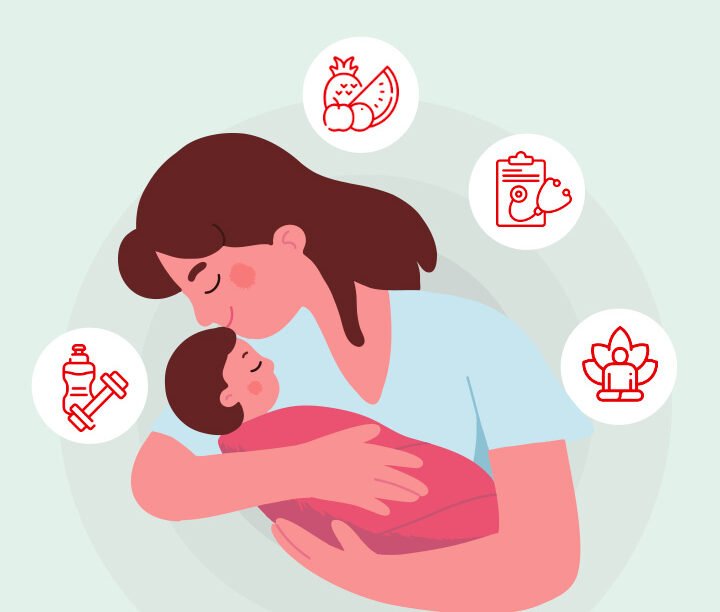
Postpartum bleeding, known as lochia, is another vital aspect of after birth care. It is common for women to experience heavy bleeding in the first few days, which eventually tapers off. Understanding the characteristics of lochia and when to seek medical advice is necessary for ensuring proper healing and addressing any potential complications. Alongside these physical changes, the importance of rest, proper nutrition, and hydration cannot be overstated. Maintaining a balanced diet rich in vitamins and minerals will bolster overall recovery while supporting breastfeeding if the mother has chosen that route.
Women may also face discomfort as they adjust to new breastfeeding routines and may experience issues such as nipple pain or engorgement. Employing various techniques and tips can ease these challenges, paving the way for a more comfortable postpartum period. Additionally, many women encounter abdominal separation, or diastasis recti, which can be addressed through targeted exercises post-recovery. Engaging with healthcare professionals or certified postpartum specialists can provide mothers with tailored strategies to assist their journey towards healing.
Emotional and Mental Health in the Postpartum Period
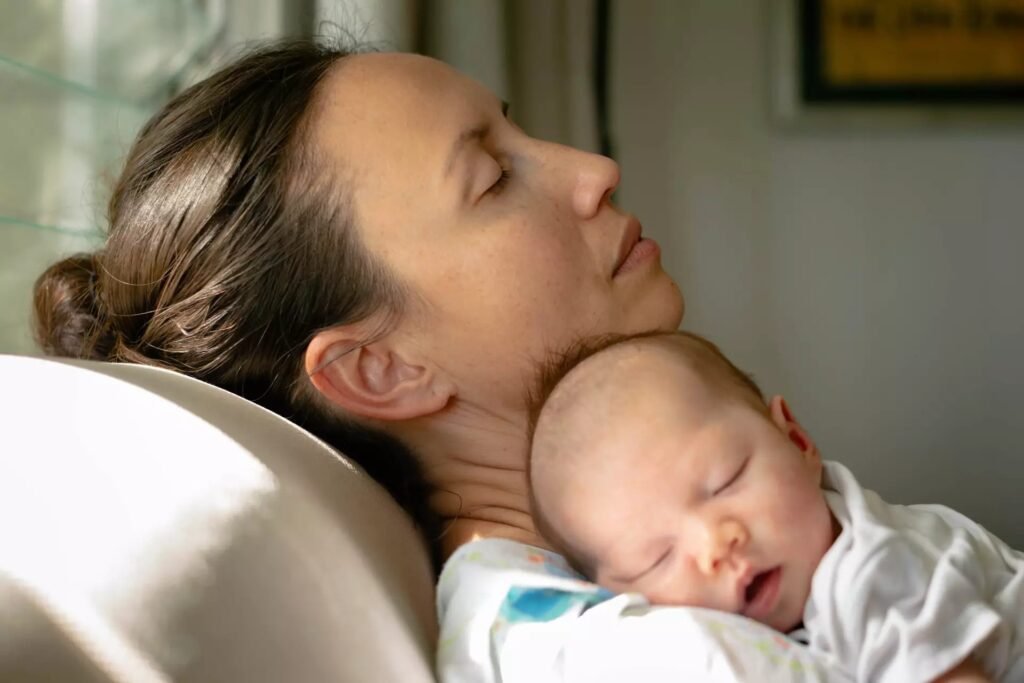
The transition into motherhood is both a significant and challenging experience that can invoke a myriad of emotional responses. Many new mothers report feeling overwhelmed, anxious, or even teary in the days following childbirth, commonly referred to as the “baby blues.” These feelings are usually temporary and are driven by hormonal changes, sleep deprivation, and the stresses associated with caring for a newborn. Recognizing these feelings as part of normal postpartum healing is crucial for new mothers as they navigate their recovery timeline.
However, in some instances, these emotional challenges can escalate into more severe forms of distress such as postpartum depression (PPD). PPD is characterized by a persistent feeling of sadness, anxiety, or hopelessness that can impact a mother’s ability to care for herself and her newborn. Symptoms might include a lack of interest in activities previously enjoyed, difficulty bonding with the baby, appetite changes, or thoughts of self-harm and suicide. Recognizing these symptoms and seeking help is essential, as timely intervention can facilitate recovery and support the mother’s emotional well-being.
The risks for PPD vary and can be influenced by factors such as a history of depression, lack of support from family or friends, and stressful life events. It is important for new mothers to remember that they are not alone; discussing feelings with healthcare providers, family, or friends can be instrumental in addressing postpartum mental health concerns. Additionally, joining support groups can provide a valuable space for mothers to share experiences and coping strategies, further aiding their emotional recovery.
In conclusion, the postpartum period is a critical time for emotional and mental health. Understanding the differences between the baby blues and postpartum depression, recognizing symptoms, and seeking the needed support can significantly enhance a mother’s recovery journey after childbirth.
Continuing Care and Support Systems
Postpartum healing is a critical component of the recovery timeline, as it extends well beyond the immediate days following childbirth. Acknowledging the importance of ongoing care is essential in supporting new mothers on their journey to recovery. Regular medical check-ups should be prioritized to monitor physical and mental health. These visits allow healthcare providers to address any lingering issues or complications, offering timely interventions that can significantly impact postpartum recovery.
The role of partners and family members in after birth care cannot be overstated. Emotional and practical support from loved ones is vital, as transitioning into motherhood can be overwhelming. Encouragement and assistance with household tasks, childcare, and self-care routines can alleviate stress and promote overall well-being. Partners, in particular, should be attentive to the physical and emotional needs of the new mother, creating a nurturing environment that fosters healing.
Furthermore, community resources, such as support groups, parenting classes, and telehealth services, offer invaluable assistance during this period. These resources can help mothers connect with others experiencing similar challenges, allowing for shared experiences and the exchange of practical advice. Seeking help through these channels can equip new mothers with coping strategies, alleviating feelings of isolation often associated with postpartum experiences.
Practical tips for seeking help include being proactive in communicating needs and concerns, whether with medical professionals or loved ones. Expressing feelings and asking for specific support can lead to better after birth care outcomes. Emphasizing their health should be a new mother’s priority, as their well-being is fundamental to the nurturing of their newborn. In conclusion, establishing a robust support system and understanding the significance of ongoing medical care are key elements in fostering a successful postpartum recovery. Engaging with resources available can make this transition more manageable and positive.