
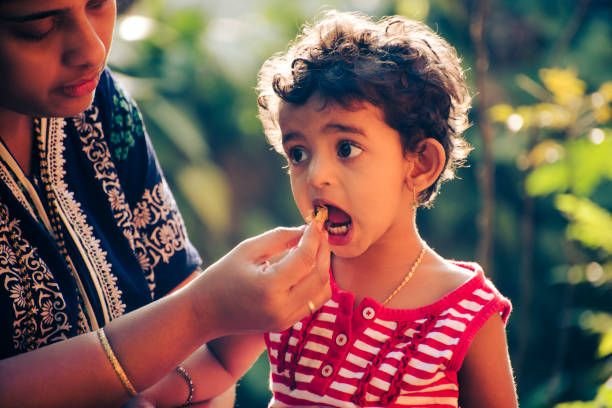
Toddlers are growing and developing at a rapid pace, and proper nutrition is essential to fuel their growth, support their brain development, and establish healthy eating habits for life. However, feeding toddlers can be challenging. They are notorious for being picky eaters, and it can be difficult to ensure they are getting all the nutrients they need. This blog post will provide you with practical tips and delicious meal ideas to help you navigate the world of toddler nutrition and ensure your little one is getting the nourishment they need.
Understanding Toddler Nutritional Needs
Toddlers have specific nutritional needs to support their growth and development. Here are some of the key nutrients:
- Calories: Toddlers need about 1,000 to 1,400 calories per day, depending on their age, size, and activity level.
- Protein: Protein is essential for building and repairing tissues. Good sources include meat, poultry, fish, eggs, beans, and dairy products.
- Carbohydrates: Carbohydrates provide energy. Choose complex carbohydrates like whole grains, fruits, and vegetables over simple carbohydrates like sugary drinks and processed foods.
- Fat: Healthy fats are crucial for brain development. Include sources like avocados, cheese, full-fat yogurt, and olive oil.
- Fiber: Fiber promotes healthy digestion. Good sources include fruits, vegetables, and whole grains.
- Vitamins and minerals: Toddlers need a variety of vitamins and minerals, including iron, calcium, and vitamin D.
Tips for Feeding Toddlers
Here are some practical tips to help make mealtimes more enjoyable and ensure your toddler is getting the nutrients they need:
- Offer a variety of foods: Introduce your toddler to a wide range of flavors and textures.
- Make it fun: Present food in creative ways, using colorful plates and utensils, and cutting food into fun shapes.
- Involve your toddler: Let your toddler help with meal preparation, such as washing fruits and vegetables or stirring ingredients.
- Be a good role model: Eat healthy meals yourself and let your toddler see you enjoying a variety of foods.
- Establish a routine: Serve meals and snacks at consistent times each day.
- Limit distractions: Turn off the TV and put away phones and tablets during mealtimes.
- Offer choices: Give your toddler some control by offering limited choices (e.g., “Do you want apples or bananas?”).
- Don’t force-feed: Avoid pressuring your toddler to eat, as this can lead to negative associations with food.
- Be patient: It may take multiple exposures for a toddler to accept a new food.
- Celebrate successes: Praise your toddler for trying new foods and eating a variety of healthy meals.
Sample Meal Ideas for Toddlers
Here are some ideas for healthy and delicious meals that your toddler will love:
Breakfast
- Oatmeal with fruit and nuts: Top oatmeal with diced fruit (berries, bananas, peaches) and chopped nuts for added nutrition.
- Whole-wheat toast with avocado and egg: Spread mashed avocado on whole-wheat toast and top with a scrambled or hard-boiled egg for a protein boost.
- Yogurt parfait: Layer yogurt with granola and fruit for a delicious and nutritious breakfast.
- Smoothie: Blend together fruit, yogurt, milk, and spinach for a quick and easy breakfast packed with nutrients.
- Whole-grain pancakes with fruit: Serve whole-grain pancakes with a side of fruit and a drizzle of maple syrup.
Lunch
- Quesadilla with beans and cheese: Fill a whole-wheat tortilla with beans and cheese and cook until melted. Serve with a side of salsa and avocado.
- Chicken or turkey slices with veggies and hummus: Offer sliced chicken or turkey with a variety of raw vegetables (carrots, cucumbers, bell peppers) and hummus for dipping.
- Pasta salad with vegetables and cheese: Toss cooked pasta with chopped vegetables (peas, corn, tomatoes) and shredded cheese.
- Soup and sandwich: Serve a warm bowl of soup (chicken noodle, tomato) with a half-sandwich on whole-wheat bread (turkey and cheese, peanut butter and jelly).
- Leftovers: Don’t forget about leftovers! Leftovers from dinner can make a quick and easy lunch.
Dinner
- Baked chicken or fish with roasted vegetables: Serve baked chicken or fish with a side of roasted vegetables (broccoli, sweet potatoes, carrots).
- Spaghetti and meatballs with marinara sauce: Use whole-wheat spaghetti and serve with meatballs and marinara sauce. Sneak in some finely chopped vegetables into the sauce for added nutrition.
- Tacos with lean ground beef or beans: Fill whole-wheat tortillas with lean ground beef or beans, shredded cheese, and chopped vegetables (lettuce, tomatoes).
- Stir-fry with chicken or tofu and vegetables: Stir-fry chicken or tofu with a variety of colorful vegetables (broccoli, peppers, snap peas) and serve over brown rice.
- Casserole: Make a casserole with layers of vegetables, protein (chicken, beef, beans), and a whole-grain base (brown rice, quinoa).
Snacks
- Fruit: Offer a variety of fresh fruits, such as berries, bananas, apples, and oranges.
- Vegetables with dip: Serve raw vegetables (carrots, cucumbers, bell peppers) with hummus, yogurt dip, or guacamole.
- Cheese and crackers: Offer low-fat cheese slices with whole-grain crackers.
- Yogurt: Choose plain, unsweetened yogurt and add your own fruit for sweetness.
- Hard-boiled eggs: Hard-boiled eggs are a great source of protein and easy to prepare.
- Trail mix: Make your own trail mix with whole-grain cereal, nuts, seeds, and dried fruit.
Addressing Picky Eating
Picky eating is a common challenge with toddlers. Here are some strategies to help:
- Don’t give up: Keep offering new foods, even if your toddler refuses them at first.
- Make it fun: Get creative with food presentation and involve your toddler in meal preparation.
- Offer choices: Give your toddler some control by offering limited choices.
- Avoid using food as a reward or punishment: This can create unhealthy relationships with food.
- Be patient: It may take time for your toddler to accept new foods.
- Consult with a professional: If you’reconcerned about your toddler’s eating habits, talk to your pediatrician or a registered dietitian.
Hydration is Key
In addition to providing healthy foods, it’s important to ensure your toddler stays hydrated. Offer water throughout the day and limit sugary drinks like juice and soda.
Conclusion
Feeding toddlers can be a challenging but rewarding experience. By understanding their nutritional needs, offering a variety of healthy foods, and creating a positive mealtime environment, you can help your toddler develop healthy eating habits that will last a lifetime. Remember to be patient, persistent, and creative, and don’t be afraid to seek professional help if needed. Your toddler’s health and well-being are worth the effort!