Easing First Trimester Symptoms: A Complete Guide
The first trimester of pregnancy is a time of incredible change and development. During these initial 13 weeks, your body undergoes a series of transformations to support the growing life inside you. However, these changes often come with a range of uncomfortable symptoms. Understanding what’s happening and how to find relief can make this period more manageable.
Understanding First Trimester Symptoms
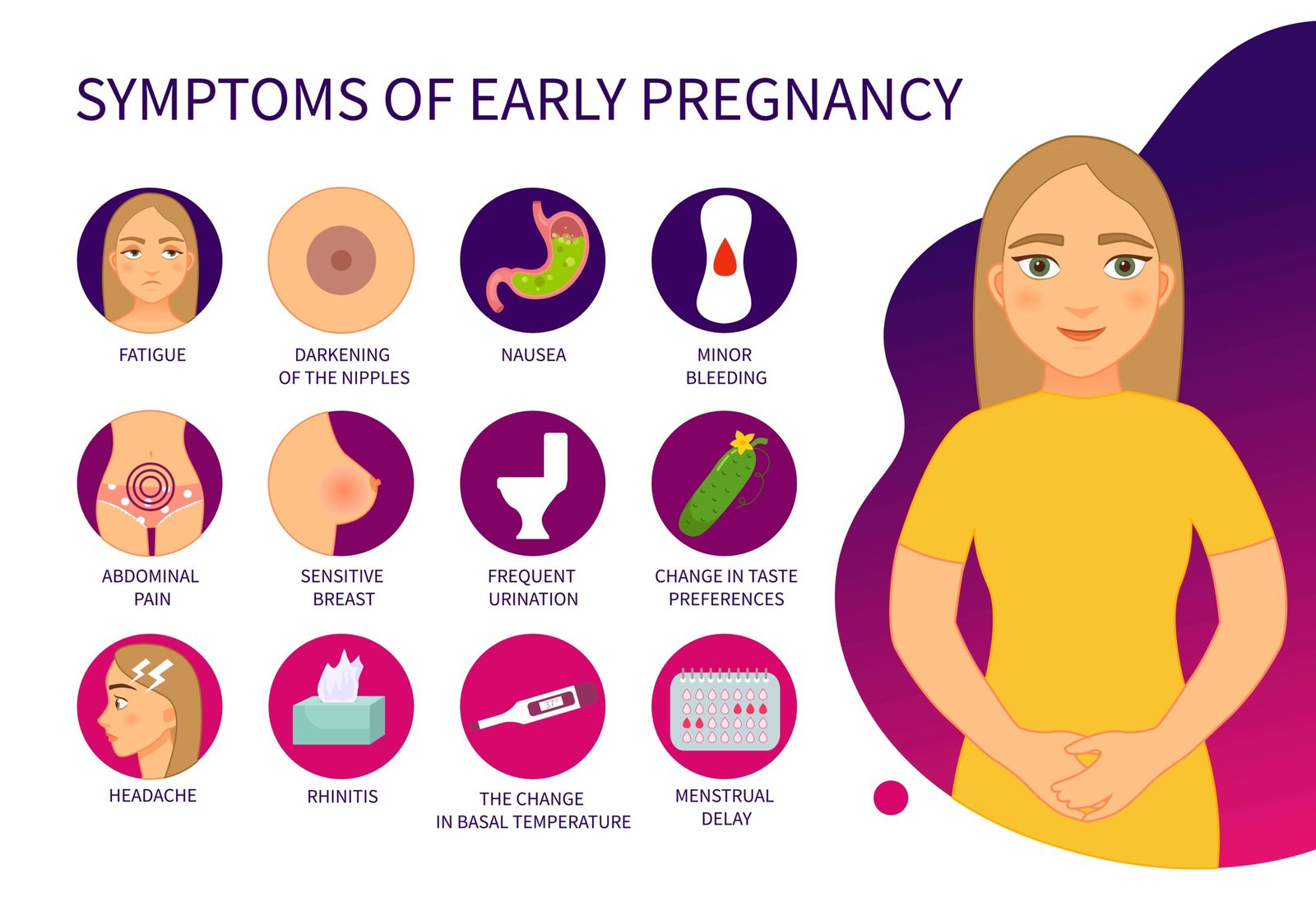
The first trimester is notorious for a variety of symptoms, which can vary in intensity and duration from woman to woman. Some of the most common symptoms include:
- Nausea and Vomiting (Morning Sickness): Despite the name, morning sickness can occur at any time of day. It’s caused by hormonal changes, particularly the rise in human chorionic gonadotropin (hCG).
- Fatigue: Feeling unusually tired is common as your body works hard to support the pregnancy. Increased progesterone levels contribute to this fatigue.
- Breast Tenderness: Your breasts may become swollen, sensitive, or sore due to hormonal changes preparing them for lactation.
- Frequent Urination: The need to urinate more often results from increased blood volume and hormonal effects on your bladder.
- Headaches: Hormonal fluctuations and increased blood flow can trigger headaches.
- Constipation: Changes in hormones can slow down your digestive system, leading to constipation.
- Mood Swings: The rollercoaster of hormones can cause rapid shifts in emotions, making you feel irritable, anxious, or tearful.
- Food Cravings and Aversions: You might find yourself suddenly craving certain foods or feeling repulsed by others.
Finding Relief from First Trimester Symptoms
While there’s no magic cure for first-trimester symptoms, several strategies can help alleviate discomfort:
- Morning Sickness Relief:
- Eat small, frequent meals: An empty stomach can worsen nausea. Try keeping bland snacks like crackers or dry toast by your bed and eating them before you get up.
- Avoid trigger foods: Greasy, spicy, or strong-smelling foods can exacerbate nausea.
- Drink plenty of fluids: Stay hydrated by sipping on water, ginger ale (with real ginger), or herbal teas.
- Try ginger: Ginger has natural anti-nausea properties. You can consume it in tea, candies, or capsules.
- Get enough rest: Fatigue can worsen nausea.
- Vitamin B6: Some studies suggest that vitamin B6 supplements can help reduce nausea. Consult your doctor before taking any supplements.
- Acupressure: Acupressure bands, worn on the wrists, may help relieve nausea for some women.
- Fatigue:
- Get plenty of sleep: Aim for 7-9 hours of sleep per night, and take naps if needed.
- Prioritize rest: Avoid overexertion and listen to your body.
- Eat a balanced diet: Nutrient-rich foods can help maintain energy levels.
- Stay hydrated: Dehydration can worsen fatigue.
- Gentle exercise: Light activities like walking or swimming can boost energy levels.
- Breast Tenderness:
- Wear a supportive bra: A comfortable, well-fitting bra can provide relief.
- Apply cold compresses: Cold compresses can help reduce swelling and pain.
- Frequent Urination:
- Stay hydrated: Even though you’re urinating more, it’s crucial to stay hydrated.
- Avoid caffeine: Caffeine can increase the need to urinate.
- Headaches:
- Get enough rest: Rest in a quiet, dark room.
- Stay hydrated: Dehydration can trigger headaches.
- Apply a cold or warm compress: Experiment to see which provides more relief.
- Practice relaxation techniques: Deep breathing, meditation, or gentle stretching can help.
- Consult your doctor: Talk to your doctor before taking any pain medication during pregnancy.
- Constipation:
- Eat fiber-rich foods: Include plenty of fruits, vegetables, and whole grains in your diet.
- Drink plenty of water: Staying hydrated is essential for bowel regularity.
- Exercise regularly: Gentle physical activity can help stimulate bowel movements.
- Talk to your doctor: If dietary changes and exercise don’t help, your doctor may recommend a safe stool softener.
- Mood Swings:
- Get enough rest: Fatigue can exacerbate mood swings.
- Practice relaxation techniques: Deep breathing, meditation, or yoga can help stabilize your mood.
- Talk to someone: Sharing your feelings with your partner, a friend, or a therapist can provide emotional support.
- Eat regular, balanced meals: Maintaining stable blood sugar levels can help regulate mood.
- Engage in gentle exercise: Physical activity can release endorphins, which have mood-boosting effects.
- Food Cravings and Aversions:
- Eat what you can: If you’re craving something, enjoy it in moderation.
- Find alternatives: If you have aversions, try to find alternative foods that provide similar nutrients.
When to Seek Medical Advice
While most first-trimester symptoms are normal, some can indicate a more serious problem. Seek medical advice if you experience:
- Severe or persistent vomiting: This can lead to dehydration and may indicate hyperemesis gravidarum.
- Severe abdominal pain: This could be a sign of an ectopic pregnancy or a miscarriage.
- Vaginal bleeding: This can also indicate a miscarriage or other complications.
- High fever: A fever above 100.4°F (38°C) could signal an infection.
- Severe headache with vision changes: This could be a sign of preeclampsia.
The first trimester can be challenging, but understanding your symptoms and taking steps to manage them can help you feel better. Remember to communicate with your healthcare provider about any concerns you have. With the right care and support, you can navigate this trimester and look forward to the rest of your pregnancy.