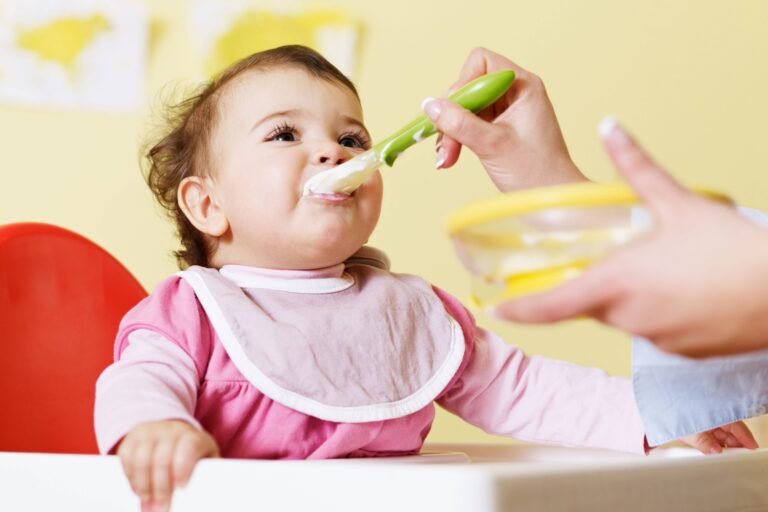

While breastfeeding is often recommended as the optimal way to nourish your baby, bottle-feeding is a safe and healthy alternative or supplement. Whether you’re exclusively bottle-feeding or combining it with breastfeeding, understanding the basics is essential for your baby’s health and comfort. This guide provides comprehensive information on choosing the right bottles and formula, preparing formula safely, and mastering feeding techniques.
Reasons for Bottle-Feeding
There are various reasons why parents may choose to bottle-feed:
- Supplementing Breastfeeding: Some mothers may choose to supplement breastfeeding with formula to ensure their baby is getting enough nutrition, especially in the early days or when returning to work.
- Exclusive Bottle-Feeding: Some mothers may not be able to breastfeed due to medical reasons, medications, or personal choice.
- Adoption or Surrogacy: In these cases, bottle-feeding with formula is the primary way to nourish the baby.
- Premature or Low Birth Weight Babies: These babies may have difficulty breastfeeding and may require bottle-feeding with formula or fortified breast milk.
Choosing the Right Bottles
Baby bottles come in various shapes, sizes, and materials. Here are some factors to consider:
- Materials:
- Plastic: Lightweight and durable, but some may contain BPA (bisphenol A). Look for BPA-free bottles.
- Glass: Easy to clean and sterilize, but heavier and more fragile.
- Silicone: Lightweight, durable, and naturally BPA-free.
- Sizes:
- Small (4-ounce): Ideal for newborns and smaller feedings.
- Large (8-ounce): Suitable for older babies who consume larger quantities of milk.
- Shapes:
- Standard: Traditional, straight-sided bottles.
- Angled: Designed to reduce air intake and prevent ear infections.
- Wide-neck: Easier to fill and clean, and may be more similar to the breast for babies who are also breastfed.
- Nipples:
- Materials: Silicone and latex are common. Silicone nipples are generally more durable.
- Flow rate: Nipples come in different flow rates (slow, medium, fast) to match your baby’s age and feeding speed. Start with a slow-flow nipple for newborns.
- Shape: Different shapes are available, such as standard, orthodontic, and wide. Choose one that your baby seems to prefer.
- Anti-colic nipples: These are designed to reduce air intake and prevent colic.
Choosing the Right Formula
Infant formula is designed to mimic the nutritional composition of breast milk. There are several types of formula available:
- Cow’s Milk Formula: The most common type, made from cow’s milk that has been modified to be easily digestible for babies.
- Soy Formula: Made from soy protein and is an alternative for babies who are allergic to cow’s milk or have lactose intolerance.
- Hypoallergenic Formula: For babies with severe allergies or digestive issues. These formulas contain proteins that have been broken down (hydrolyzed) to make them easier to digest.
- Specialized Formula: Designed for babies with specific medical conditions, such as premature birth or metabolic disorders.
Important Considerations When Choosing Formula:
- Age-Appropriate: Choose a formula that is appropriate for your baby’s age (infant formula for the first year, follow-up formula for older babies).
- Iron-Fortified: Ensure the formula is iron-fortified, as iron is crucial for your baby’s growth and development.
- Consult Your Pediatrician: Your pediatrician can recommend the best type of formula for your baby based on their individual needs and health.
Preparing Formula Safely
Proper preparation is crucial to ensure your baby’s safety:
- Sterilize Bottles and Nipples: Sterilize new bottles and nipples before the first use and periodically thereafter, especially for newborns. You can use a sterilizer, boil them in water for 5 minutes, or wash them in the dishwasher.
- Wash Your Hands: Wash your hands thoroughly with soap and water before preparing formula.
- Use Safe Water: Use tap water that has been boiled for 1 minute and cooled, or use bottled water that is labeled as safe for infant use.
- Follow the Instructions: Carefully follow the instructions on the formula container for the correct ratio of formula to water.
- Measure Accurately: Use the scoop provided with the formula to measure accurately. Do not add extra powder or water.
- Mix Well: Mix the formula and water thoroughly by shaking the bottle gently.
- Check the Temperature: Test the temperature of the formula on your wrist before feeding. It should be lukewarm, not hot.
- Prepare Fresh: Prepare formula fresh for each feeding. Do not save leftover formula for later.
- Discard Leftovers: Discard any formula left in the bottle after feeding. Bacteria can grow quickly in leftover formula.
Bottle-Feeding Techniques
- Hold Your Baby: Hold your baby close in a semi-upright position, supporting their head and neck.
- Tilt the Bottle: Tilt the bottle so that the nipple is filled with formula to prevent your baby from swallowing air.
- Paced Feeding: Practice paced feeding to mimic breastfeeding and prevent overfeeding. Hold the bottle horizontally, allow your baby to latch onto the nipple, and let them control the flow of milk. Take breaks every few minutes to allow your baby to rest.
- Burp Your Baby: Burp your baby frequently during and after feeding to release any swallowed air.
- Switch Sides: Alternate the arm you hold your baby in with each feeding to promote even eye development.
- Never Prop the Bottle: Never prop the bottle up and leave your baby unattended. This can lead to choking, ear infections, and other problems.
- Feed on Demand: Feed your baby when they show signs of hunger, such as rooting, sucking on their hands, or fussiness.
Cleaning and Storing Bottles
- Clean After Each Use: Disassemble the bottle and nipple and rinse them immediately after feeding.
- Wash Thoroughly: Wash the bottle, nipple, and all parts with hot, soapy water using a bottle brush.
- Rinse Well: Rinse all parts thoroughly under running water.
- Air Dry: Allow the bottles and parts to air dry completely on a clean, dry surface.
- Store Properly: Store clean, dry bottles and parts in a clean, covered container.
Bottle-feeding can be a safe and effective way to nourish your baby. By choosing the right bottles and formula, preparing formula safely, and using proper feeding techniques, you can ensure your baby gets the nutrition they need to grow and thrive. Always consult with your pediatrician for personalized advice on formula feeding.