Introduction: The Importance of Early Stimulation
The first three months of a newborn’s life are a period of rapid brain development. During this time, a baby’s brain is highly receptive to new experiences, making early stimulation crucial. Stimulation isn’t about rushing a child’s development; it’s about providing the right environment and experiences to support their natural growth. These early experiences help to build neural connections that form the foundation for future learning and development.
Sensory Activities
Newborns primarily learn through their senses. Engaging these senses helps them to understand the world around them and promotes brain development.
- Visual Stimulation:
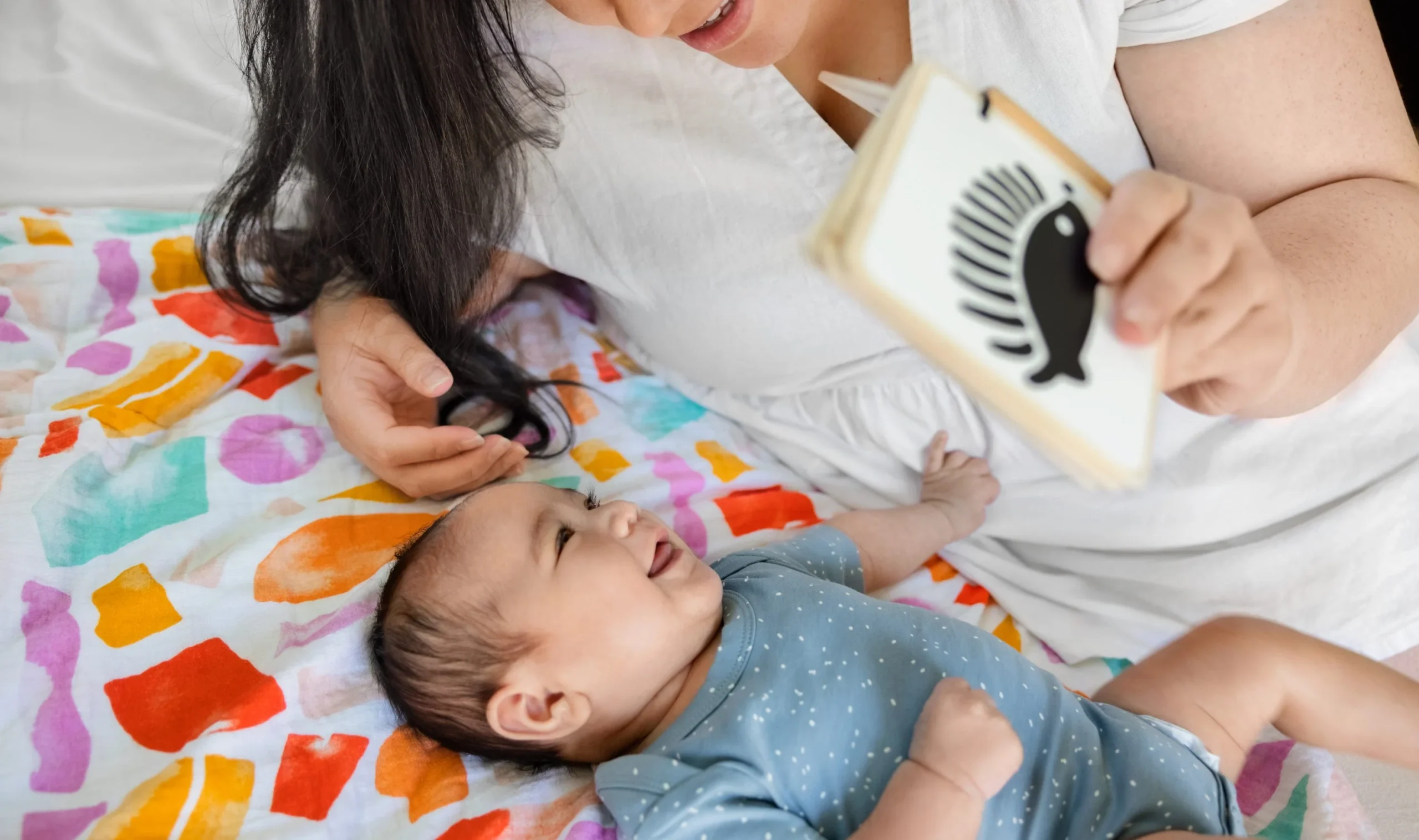
- High-Contrast Images: Newborns have limited visual acuity, but they can easily see high-contrast images. Black and white patterns, simple geometric shapes, and contrasting colors capture their attention and stimulate their visual development. You can use board books with high-contrast images or create your own by drawing simple patterns on white paper.
- Face Gazing: A newborn’s favorite thing to look at is the human face, especially the faces of their parents or caregivers. Make eye contact with your baby, smile, and talk to them. This helps them to develop social and emotional bonds as well as visual tracking skills.
- Auditory Stimulation:
- Gentle Sounds: Expose your baby to a variety of gentle sounds, such as soft music, nature sounds, or a calming white noise machine. These sounds can help to soothe and relax your baby, and they also stimulate their auditory development.
- Singing and Talking: Your voice is one of the most important sounds for your newborn. Sing lullabies, talk to your baby, and read aloud. This helps them to develop language skills and strengthens the bond between you and your baby.
- Tactile Stimulation:
- Skin-to-Skin Contact: Skin-to-skin contact is incredibly beneficial for newborns. It helps to regulate their heart rate and breathing, reduces stress, and promotes bonding. Hold your baby close to your chest, allowing them to feel your warmth and heartbeat.
- Different Textures: Introduce your baby to different textures, such as soft blankets, smooth fabrics, and textured toys. This helps them to develop their sense of touch and learn about the world around them.
Motor Development
While newborns have limited motor control, there are still ways to encourage their physical development.
- Tummy Time:
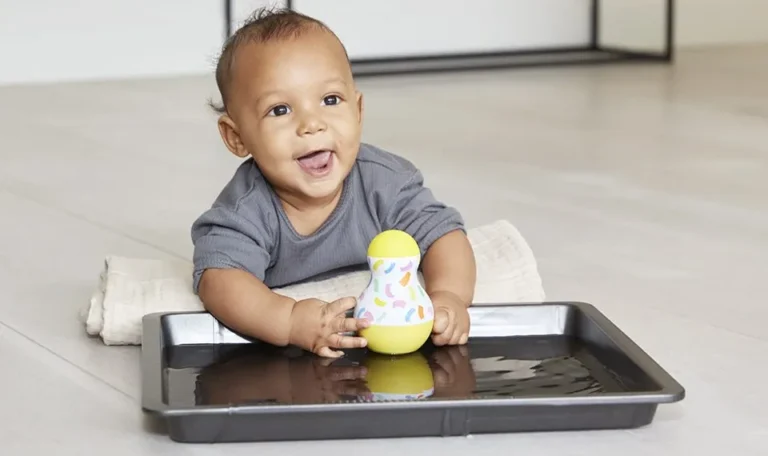
- Benefits: Tummy time is essential for developing the muscles in your baby’s neck, back, and shoulders. It helps them to gain head control, which is a crucial milestone for later development.
- How to do it safely: Place your baby on their tummy for short periods while they are awake and alert. Start with just a few minutes at a time and gradually increase the duration as your baby gets stronger. Always supervise your baby during tummy time.
- Reaching and Grasping: Encourage your baby to reach and grasp for toys by holding them just within reach. This helps them to develop hand-eye coordination and fine motor skills.
Bonding Activities
Bonding activities help to strengthen the emotional connection between you and your baby, which is essential for their social and emotional development.
- Baby Massage: Gentle massage can help to relax your baby, improve their circulation, and promote bonding. Use a baby-safe oil and follow a gentle massage routine.
- Singing and Talking: As mentioned earlier, singing and talking to your baby is a powerful way to bond. It helps them to recognize your voice, feel safe and secure, and develop language skills.
Safety Considerations
When engaging in activities with your newborn, safety is paramount. Always supervise your baby closely and ensure that all toys and materials are safe for infants. Avoid small objects that could be a choking hazard, and always support your baby’s head and neck.
By incorporating these activities into your daily routine, you can provide your newborn with the stimulation they need to grow, learn, and thrive.