A child’s first year is filled with incredible milestones, and as they transition into toddlerhood, their development continues at a rapid pace. At this stage, toddlers are becoming increasingly mobile, curious, and communicative. Key developmental milestones for 1-year-olds include:
- Taking their first steps and walking
- Exploring their environment with greater independence
- Starting to say a few words
- Understanding simple instructions
- Engaging in simple pretend play
Gross Motor Skills
- Walking and Running:
- Practice, Practice, Practice: Provide plenty of opportunities for your toddler to practice walking and running in a safe environment.
- Vary Surfaces: Let them walk on different surfaces like grass, carpet, and pavement to improve their balance and coordination.
- Chasing Games: Play simple chasing games to encourage running and develop gross motor skills.
- Climbing Stairs (with assistance):
- Supervision is Key: Always supervise your toddler when they are near stairs.
- Step by Step: Teach them to climb stairs one step at a time, holding your hand or the railing for support.
- Crawling Down: Encourage them to crawl down the stairs backwards for safety.
- Ball Play:
- Rolling and Throwing: Roll a ball back and forth with your toddler. This helps develop hand-eye coordination and gross motor skills.
- Kicking: Encourage them to kick a ball. Start with a large, soft ball that is easy to kick.
Fine Motor Skills
- Building Towers:
- Stacking Blocks: Provide your toddler with large, lightweight blocks to stack. This activity helps develop fine motor skills, hand-eye coordination, and spatial awareness.
- Knocking Down: Toddlers also enjoy knocking down towers, which is a great way to teach cause and effect.
- Scribbling and Drawing:
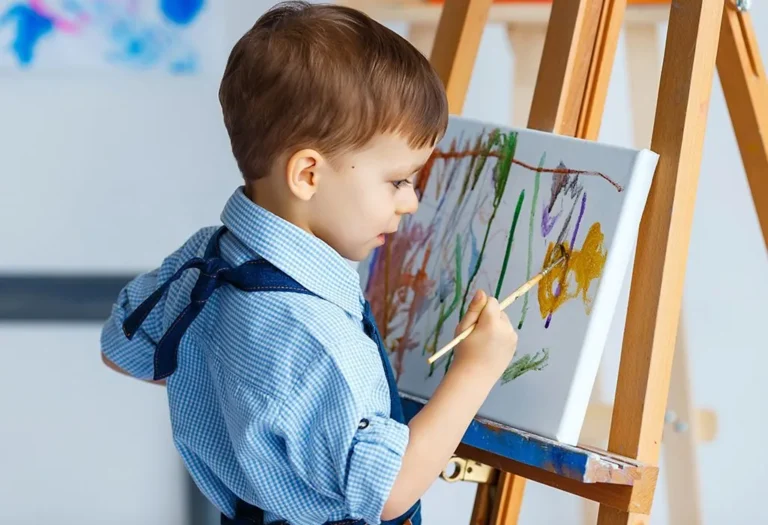
- Crayons and Paper: Give your toddler large, non-toxic crayons and paper to scribble and draw. This helps develop their fine motor skills and creativity.
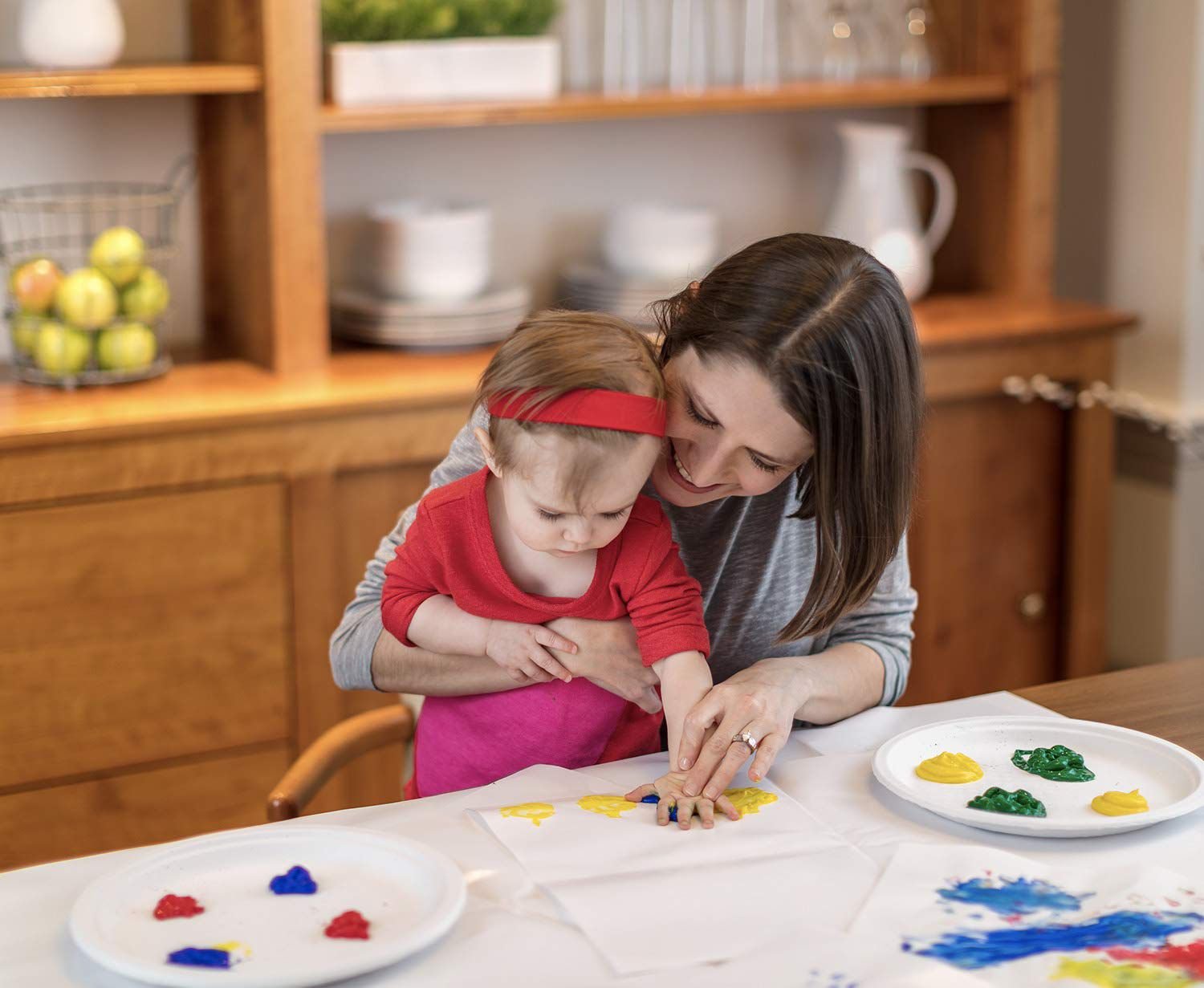
- Finger Painting: Finger painting is another fun sensory activity that encourages fine motor development.
Language Development
- Expanding Vocabulary:
- Label Everything: Label objects, people, and actions in your environment.
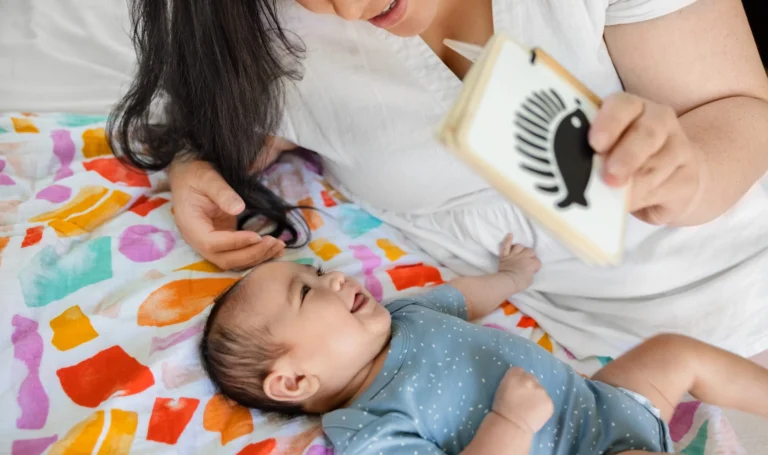
- Simple Books: Read simple board books with colorful pictures and basic vocabulary.
- Repetition: Repeat words and phrases frequently to reinforce learning.
- Following Simple Instructions:
- One-Step Commands: Give simple one-step commands like “Sit down,” “Come here,” and “Give me the toy.”
- Visual Cues: Use gestures and visual cues to help your toddler understand what you are saying.
Cognitive Development
- Exploring Cause and Effect:
- Toys with Buttons and Switches: Provide toys that respond to actions, such as toys with buttons that make sounds or lights flash.
- Water Play: Water play is a great way for toddlers to explore cause and effect. They can pour water, splash, and see how different objects float or sink.
- Imaginative Play:
- Simple Pretend Play: Encourage simple pretend play, such as pretending to talk on the phone, feed a doll, or drive a car.
- Imitation: Toddlers learn by imitating others, so engage in pretend play with them and model different scenarios.
By providing a variety of stimulating and age-appropriate activities, you can support your 1-year-old’s development across all areas. Remember to create a safe and nurturing environment where they feel free to explore and learn.