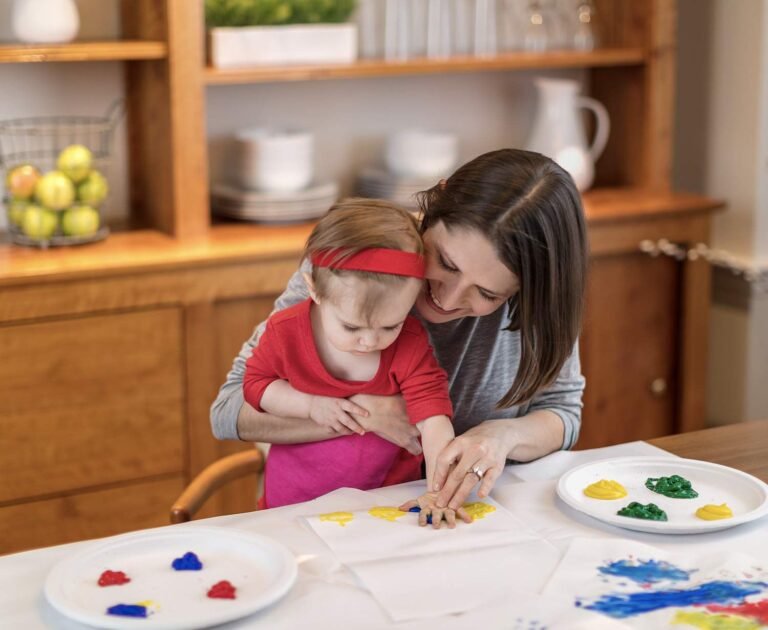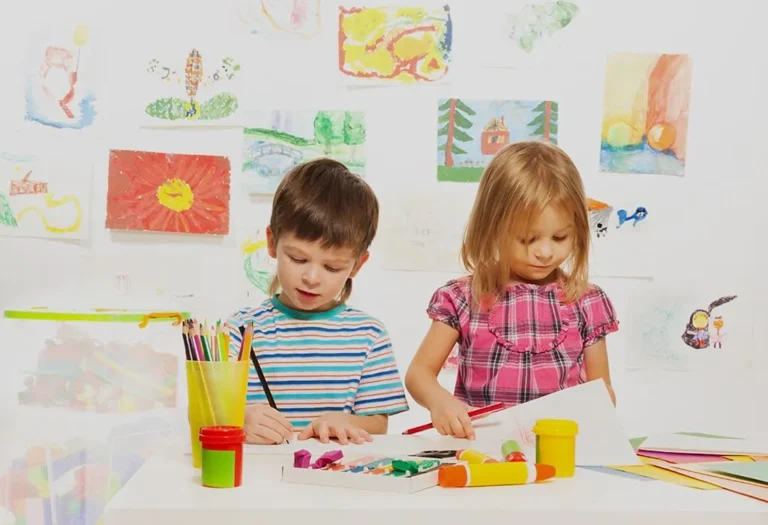

The toddler years, typically from ages 1 to 3, are a period of incredible growth and development. During this time, toddlers achieve a wide range of milestones in various areas, including physical, cognitive, social, and emotional development. Tracking these milestones can help you understand your child’s progress, identify any potential delays, and provide appropriate support and stimulation. This blog post will provide an overview of key toddler milestones and offer guidance on how to support your child’s development.
Understanding Toddler Development
Toddler development is a complex process that involves changes in various areas:
- Physical Development: This includes gross motor skills (large movements like walking and running) and fine motor skills (small movements like grasping and drawing).
- Cognitive Development: This involves thinking, learning, and problem-solving skills.
- Social-Emotional Development: This involves interacting with others, expressing emotions, and developing self-awareness.
- Language Development: This involves understanding and using language.
It’s important to remember that every child develops at their own pace. There is a wide range of what is considered “normal,” and some toddlers may reach certain milestones earlier or later than others. However, tracking developmental milestones can provide a general guideline and help identify any significant delays that may require further evaluation.
Key Toddler Milestones
Here’s an overview of some key milestones that toddlers typically achieve in each area of development:
Physical Development
- Gross Motor Skills:
- 12-18 months: Walks independently, climbs stairs with assistance, throws a ball.
- 18-24 months: Runs, kicks a ball, climbs on furniture, walks up and down stairs without assistance.
- 2-3 years: Jumps with both feet, rides a tricycle, catches a ball, balances on one foot for a few seconds.
- Fine Motor Skills:
- 12-18 months: Feeds self with a spoon, drinks from a cup, scribbles with a crayon.
- 18-24 months: Builds a tower of 4 or more blocks, turns pages of a book, uses a spoon and fork with less spilling.
- 2-3 years: Draws a circle, cuts with scissors, strings beads, zips and unzips large zippers.
Cognitive Development
- 12-18 months: Understands simple instructions, imitates actions, explores objects in different ways.
- 18-24 months: Recognizes familiar objects and pictures, begins to sort objects by shape and color, understands the concept of “mine.”
- 2-3 years: Solves simple problems, understands the concept of time (e.g., “now,” “later”), engages in pretend play, knows own name and age.
Social-Emotional Development
- 12-18 months: Shows affection for familiar people, begins to show a range of emotions (e.g., joy, sadness, anger), may have separation anxiety.
- 18-24 months: Imitates others, plays alongside other children, shows increasing independence, expresses a wider range of emotions.
- 2-3 years: Takes turns in games, shows empathy for others, begins to understand rules, separates easily from parents.
Language Development
- 12-18 months: Says several single words, understands simple questions, points to objects when named.
- 18-24 months: Says 2-3 word sentences, follows two-step instructions, vocabulary of 50-100 words.
- 2-3 years: Speaks in longer sentences, uses a variety of words, engages in conversations, understands and uses prepositions (e.g., “in,” “on,” “under”).
Supporting Your Toddler’s Development
There are many ways you can support your toddler’s development and help them reach their milestones:
- Provide a stimulating environment: Offer a variety of toys, books, and activities that encourage exploration and learning.
- Engage in play: Play with your toddler regularly, providing opportunities for physical, cognitive, social, and emotional development.
- Encourage language development: Talk to your toddler frequently, read books together, and introduce new words.
- Promote social interaction: Arrange playdates with other children and encourage your toddler to interact with others.
- Foster independence: Allow your toddler to try new things and make their own choices, while providing support and guidance.
- Offer praise and encouragement: Celebrate your toddler’s achievements and efforts, and provide positive reinforcement.
- Establish routines: Create consistent daily routines for meals, sleep, and playtime, which can help toddlers feel secure and develop self-regulation skills.
What to Do If You’re Concerned
If you have concerns about your toddler’s development, it’s important to talk to your pediatrician. They can assess your child’s progress, answer your questions, and provide guidance. Early intervention can make a significant difference in addressing any developmental delays.
When to Seek Professional Evaluation
While every child develops at their own pace, there are some signs that may indicate a need for further evaluation:
- Lack of progress: If your child is not meeting key milestones or seems to be regressing in their development.
- Significant delays: If your child is significantly behind their peers in one or more areas of development.
- Concerns about specific areas: If you have specific concerns about your child’s physical, cognitive, social-emotional, or language development.
Tracking your toddler’s development can be a valuable tool for understanding their progress and providing appropriate support. Remember that every child is unique and develops at their own pace. By providing a stimulating environment, engaging in play, and seeking professional help when needed, you can help your toddler reach their full potential and thrive during this exciting period of growth and development.