Four-year-olds are dynamic and inquisitive, demonstrating significant advancements in their cognitive, social, emotional, and physical skills. This is a crucial stage for preparing them for school and fostering a lifelong love of learning. Key developmental milestones for 4-year-olds include:
- Increased independence and self-sufficiency
- More complex language and storytelling abilities
- Improved gross and fine motor coordination
- Developing social skills and forming friendships
- Enhanced cognitive abilities, including problem-solving and critical thinking
Gross Motor Skills
- Skipping and Hopping:
- Practice Skipping: Encourage skipping by demonstrating the movement and practicing together.
- Hopping Games: Play games that involve hopping, such as hopping on one foot or hopping to reach a target.
- Outdoor Play: Provide ample opportunities for outdoor play where they can skip, hop, run, and engage in other physical activities.
- Catching and Throwing:
- Variety of Balls: Use different types of balls (soft, large, small) to practice catching and throwing.
- Target Practice: Set up targets for throwing and play games that involve catching, such as catch and throw or simple team sports.
- Progressive Challenges: Gradually increase the difficulty of catching and throwing by increasing the distance or using smaller balls.
Fine Motor Skills
- Writing and Drawing:
- Pre-Writing Skills: Engage in activities that develop pre-writing skills, such as tracing letters and shapes, drawing lines, and making patterns.
- Writing Practice: Provide opportunities for your child to practice writing letters and their name.
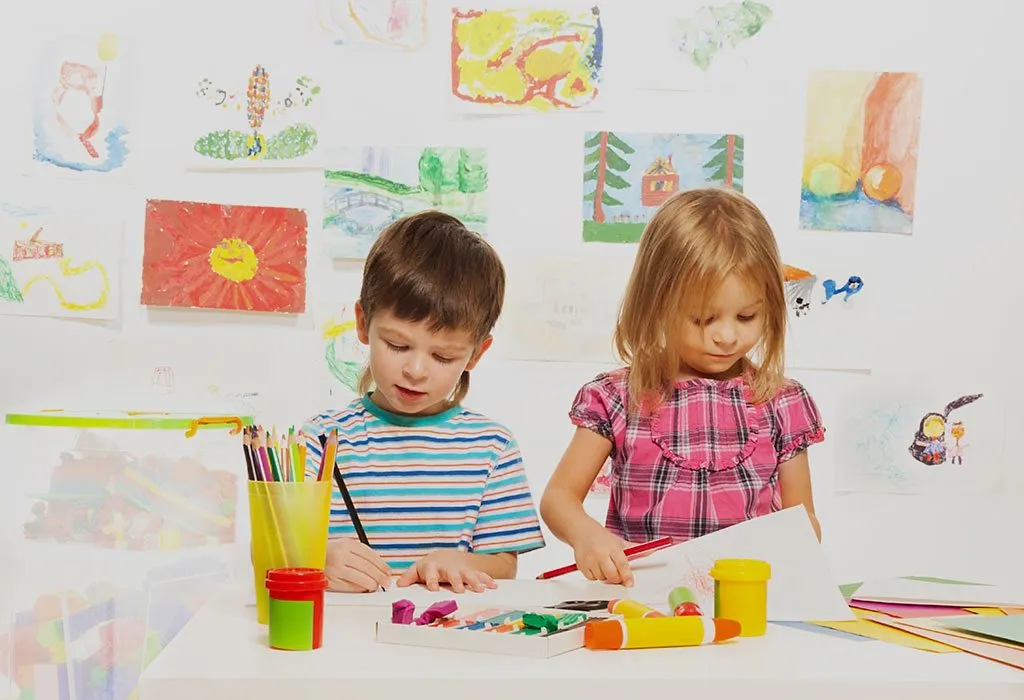
- Detailed Drawings: Encourage detailed drawings by providing a variety of art supplies and encouraging them to add intricate details to their artwork.
- Using Tools with Precision:
- Child-Safe Tools: Introduce child-safe tools like scissors, hole punches, and tweezers.
- Craft Projects: Engage in craft projects that require precise hand movements, such as cutting out complex shapes, making collages, or assembling small objects.
- Building Sets: Provide building sets with small pieces that require fine motor skills to assemble.
Language and Literacy
- Developing Pre-Reading Skills:
- Phonological Awareness: Engage in activities that develop phonological awareness, such as rhyming games, identifying beginning sounds, and segmenting words.
- Letter Recognition: Help your child learn to recognize letters by playing letter games, reading alphabet books, and pointing out letters in the environment.
- Print Awareness: Teach your child about print awareness by showing them how to hold a book, where to start reading, and how to follow words on a page.
- Expanding Vocabulary and Grammar:
- Rich Language Environment: Create a rich language environment by using a wide variety of words and engaging in meaningful conversations with your child.
- Complex Sentences: Use more complex sentences and introduce new vocabulary words in context.
- Storytelling: Encourage storytelling by asking your child to tell stories, describe events, and make predictions.
Cognitive Development
- Problem-Solving and Critical Thinking:
- Puzzles: Provide puzzles with increasing levels of difficulty to challenge your child’s problem-solving skills.
- Brain Teasers: Introduce simple brain teasers and riddles that require critical thinking.
- Experiments: Conduct simple science experiments that encourage your child to make predictions, observe results, and draw conclusions.
- Imaginative Play and Storytelling:
- Complex Scenarios: Encourage imaginative play with more complex scenarios and roles.
- Props and Costumes: Provide props and costumes to enhance their imaginative play.
- Collaborative Stories: Create stories together, taking turns adding details and plot twists.
Social and Emotional Development
- Developing Friendships:
- Social Interactions: Provide opportunities for your child to interact with peers through playdates, group activities, and preschool.
- Friendship Skills: Teach friendship skills such as sharing, taking turns, compromising, and resolving conflicts.
- Positive Relationships: Encourage positive relationships by modeling respectful and empathetic behavior.
- Understanding Social Cues:
- Recognizing Emotions: Help your child recognize and understand different emotions in themselves and others.
- Social Situations: Discuss social situations and how to respond appropriately.
- Role-Playing: Use role-playing to practice navigating social situations and understanding social cues.
By consistently engaging in these activities and providing a supportive and stimulating environment, you can help your four-year-old develop the skills and knowledge they need to thrive in school and beyond.