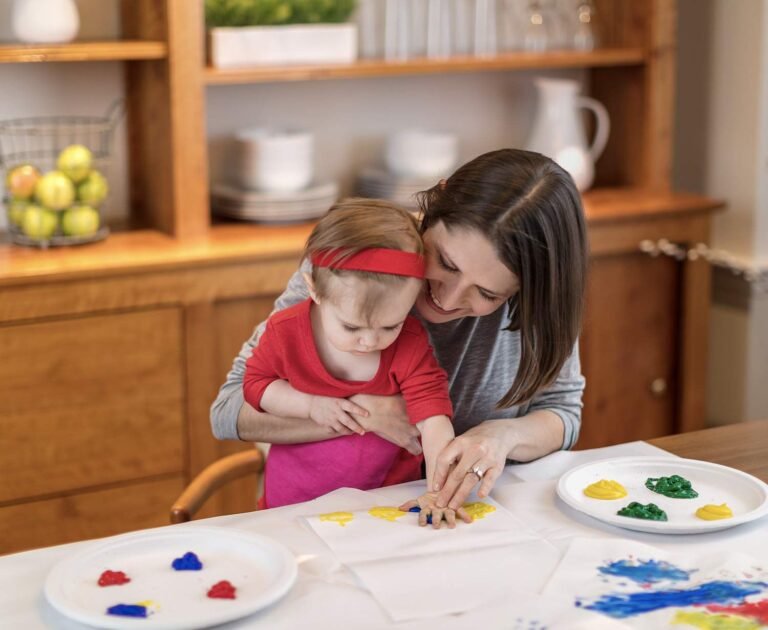

Three-year-olds are full of energy, curiosity, and a growing sense of independence. This is a crucial period for developing language skills, expanding their imagination, and honing both gross and fine motor abilities. Key developmental milestones for 3-year-olds include:
- More complex sentences and improved communication skills
- Increased physical coordination and balance
- Developing fine motor skills for more intricate tasks
- Growing social skills and the ability to engage in cooperative play
- Expanding imagination and creativity
Gross Motor Skills
- Hopping and Jumping:
- Hopping Games: Play games that involve hopping, such as hopping on one foot or hopping from one spot to another.
- Jumping Activities: Encourage jumping by jumping over small obstacles, jumping in place, or jumping to reach a target.
- Outdoor Play: Provide opportunities for outdoor play where they can run, jump, and explore different terrains.
- Riding a Tricycle:
- Safe Riding Area: Provide a safe, open area for your child to ride a tricycle.
- Learning to Pedal: Help them learn to pedal by pushing the tricycle while they get the hang of it.
- Obstacle Course: Create a simple obstacle course with cones or markers for them to navigate with their tricycle.
Fine Motor Skills
- Using Scissors:
- Child-Safe Scissors: Provide child-safe scissors and various materials to cut, such as paper, playdough, and fabric.
- Cutting Practice: Start with simple cutting tasks like cutting along straight lines, and gradually progress to more complex shapes.
- Craft Projects: Incorporate scissor skills into craft projects like making paper snowflakes or cutting out pictures from magazines.
- Drawing Detailed Pictures:
- Variety of Art Supplies: Offer a wide range of art supplies, including crayons, markers, colored pencils, and paint.
- Encourage Details: Encourage your child to add details to their drawings, such as facial features, clothing, and backgrounds.
- Drawing Prompts: Provide drawing prompts or themes to spark their creativity.
- Building Complex Structures:
- Building Blocks: Provide different types of building blocks, such as wooden blocks, Duplo blocks, and magnetic tiles.
- Building Challenges: Challenge your child to build specific structures, such as a tall tower, a bridge, or a house.
- Collaborative Building: Encourage your child to build with others, promoting teamwork and social interaction.
Language Development
- Conversations and Storytelling:
- Engage in Conversations: Have frequent conversations with your child, asking open-ended questions and encouraging them to express their thoughts and ideas.
- Tell Stories: Tell stories and encourage your child to participate by adding details, asking questions, or retelling parts of the story.
- Create Stories Together: Make up stories together, taking turns adding sentences or plot points.
- Learning New Words and Concepts:
- Vocabulary Expansion: Introduce new words and concepts through books, songs, and everyday conversations.
- Contextual Learning: Teach new words in context, explaining their meaning and how they are used.
- Interactive Games: Play word games like “I Spy” or rhyming games to help expand vocabulary.
Social and Emotional Development
- Cooperative Play:
- Group Activities: Organize group activities that require children to work together, such as building a fort, playing a game, or putting on a play.
- Turn-Taking Games: Play games that involve taking turns, such as board games or card games.
- Role-Playing: Encourage role-playing to help children practice social skills and understand different perspectives.
- Sharing and Taking Turns:
- Model Sharing: Model sharing and taking turns in your own interactions with others.
- Praise Sharing: Praise your child when they share and take turns.
- Practice Sharing: Create opportunities for your child to practice sharing, such as sharing toys with siblings or friends.
- Emotional Regulation:
- Label Emotions: Help your child identify and label their emotions.
- Emotional Expression: Encourage your child to express their emotions in healthy ways, such as talking about their feelings or using creative outlets like drawing or dancing.
- Coping Strategies: Teach your child simple coping strategies for managing difficult emotions, such as taking deep breaths or counting to ten.
By consistently engaging in these activities, you can support your 3-year-old’s development across all domains, fostering their growth into a confident, capable, and well-rounded individual.