Two-year-olds are often described as “terrific” (and sometimes challenging!) as they experience significant cognitive, social, emotional, and physical growth. This is a time of increasing independence, curiosity, and a rapidly expanding vocabulary. Supporting their development through targeted activities is crucial. Key milestones for this age include:
- Improved coordination and balance
- More complex language development
- Emerging social skills
- Increased independence and self-awareness
Gross Motor Skills
- Running, Jumping, and Climbing:
- Safe Exploration: Provide a safe environment for your child to run, jump, and climb. This could be at a park, playground, or indoor play area.
- Obstacle Courses: Create simple obstacle courses with pillows, tunnels, and low steps to encourage these skills.
- Jumping Games: Play games that involve jumping, such as jumping over small objects or jumping in place.
- Kicking and Throwing Balls:
- Variety of Balls: Use different types of balls (soft, large, small) to help your child develop their kicking and throwing skills.
- Target Practice: Set up targets for your child to aim at when throwing balls.
- Kicking Games: Play simple games like kicking a ball into a goal.
Fine Motor Skills
- Drawing and Coloring:
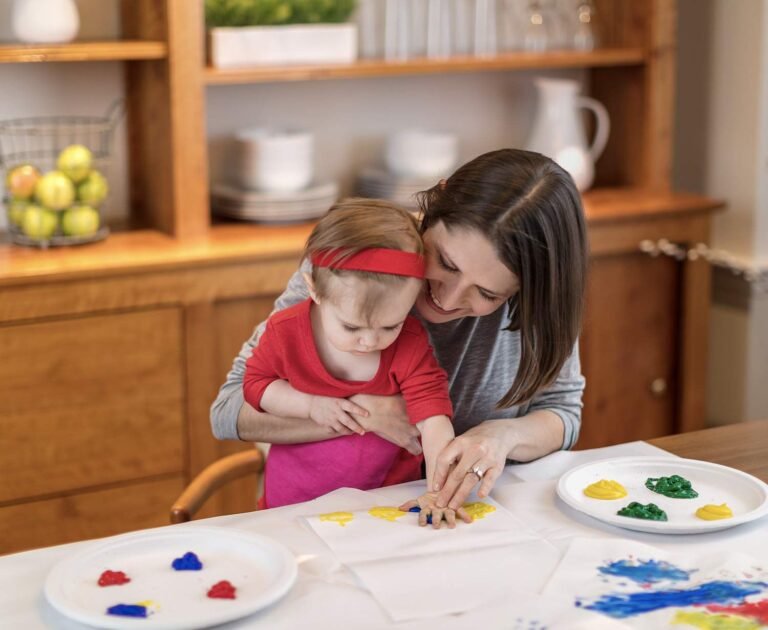
- Wide Range of Materials: Offer a variety of drawing and coloring materials, such as crayons, markers, and colored pencils.
- Different Surfaces: Let your child draw on different surfaces like paper, cardboard, and even in the sand.
- Encourage Creativity: Focus on the process of drawing rather than the final product. Encourage your child to express themselves freely.
- Building with Blocks:
- Variety of Blocks: Provide different types of blocks, such as wooden blocks,Duplo blocks, and soft blocks.
- Building Challenges: Give your child simple building challenges, such as building a tower or a house.
- Imaginative Play: Encourage your child to use blocks in imaginative play, such as building a castle for their toys.
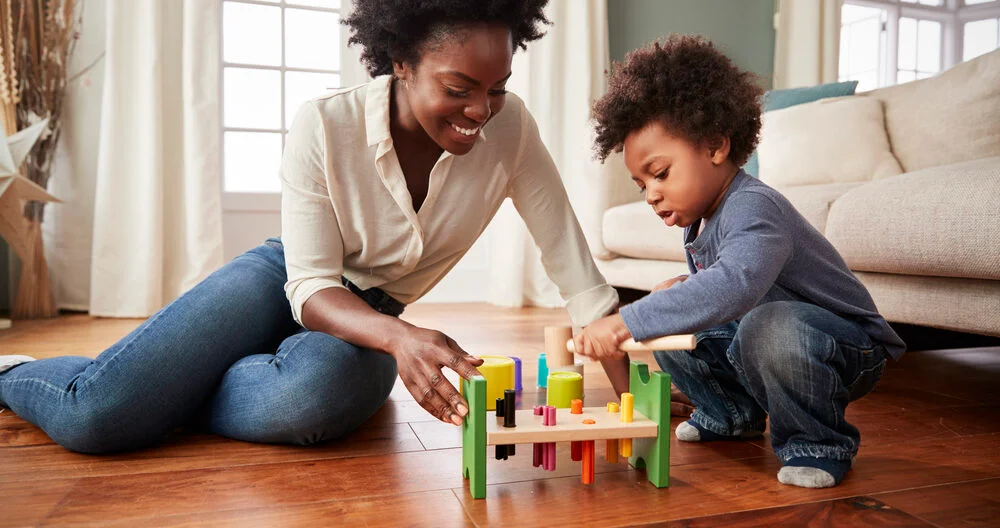
- Using Simple Tools:
- Child-Safe Scissors: Introduce child-safe scissors and let your child practice cutting paper.
- Spoons and Scoops: Provide spoons and scoops for your child to use in sand or water play.
- Puzzles: Simple puzzles with large pieces help develop fine motor skills and problem-solving abilities.
Language Development
- Expanding Vocabulary and Sentences:
- Talk Constantly: Talk to your child frequently, labeling objects, actions, and feelings.
- Read Aloud: Read a variety of books with simple sentences and colorful illustrations.
- Encourage Conversation: Ask open-ended questions and encourage your child to express themselves in sentences.
- Reading and Storytelling:
- Interactive Reading: Make reading interactive by pointing to pictures, asking questions, and letting your child turn the pages.
- Tell Stories: Tell simple stories and encourage your child to participate by filling in words or acting out parts of the story.
- Retell Stories: Encourage your child to retell familiar stories in their own words.
Social and Emotional Development
- Parallel Play:
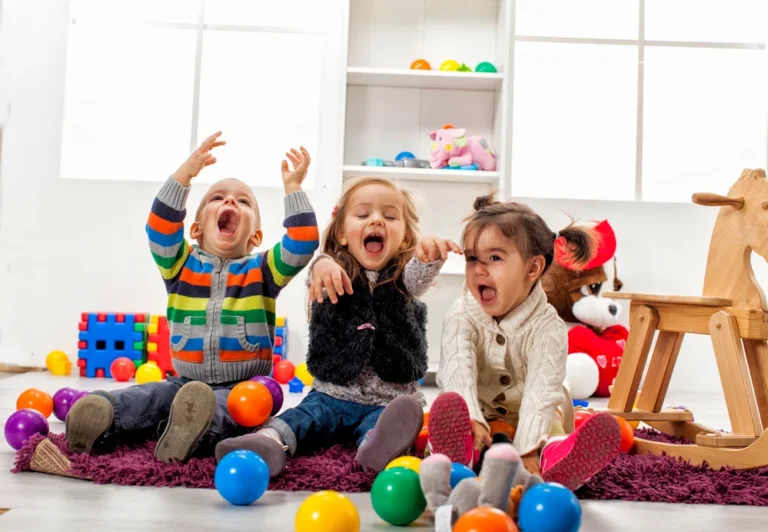
- Playdates: Arrange playdates with other children to encourage parallel play (playing alongside other children without directly interacting).
- Provide Similar Toys: When children are playing together, provide them with similar toys to encourage them to play in the same space.
- Learning About Emotions:
- Label Emotions: Label your child’s emotions and help them understand how they are feeling.
- Emotional Expression: Encourage your child to express their emotions through words, facial expressions, and body language.
- Read Books About Emotions: Read books that talk about different emotions and how to manage them.
By providing a supportive and stimulating environment and engaging in these activities, you can help your two-year-old thrive in all areas of development.