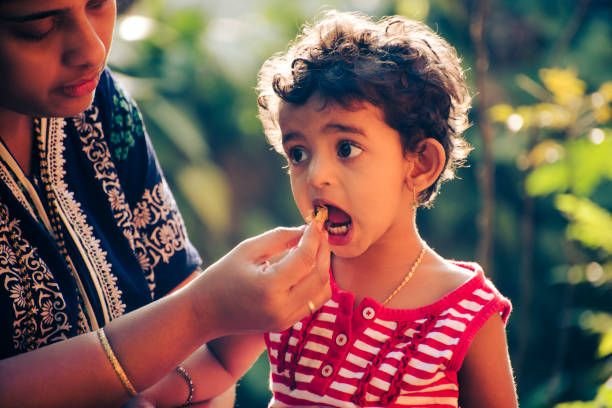
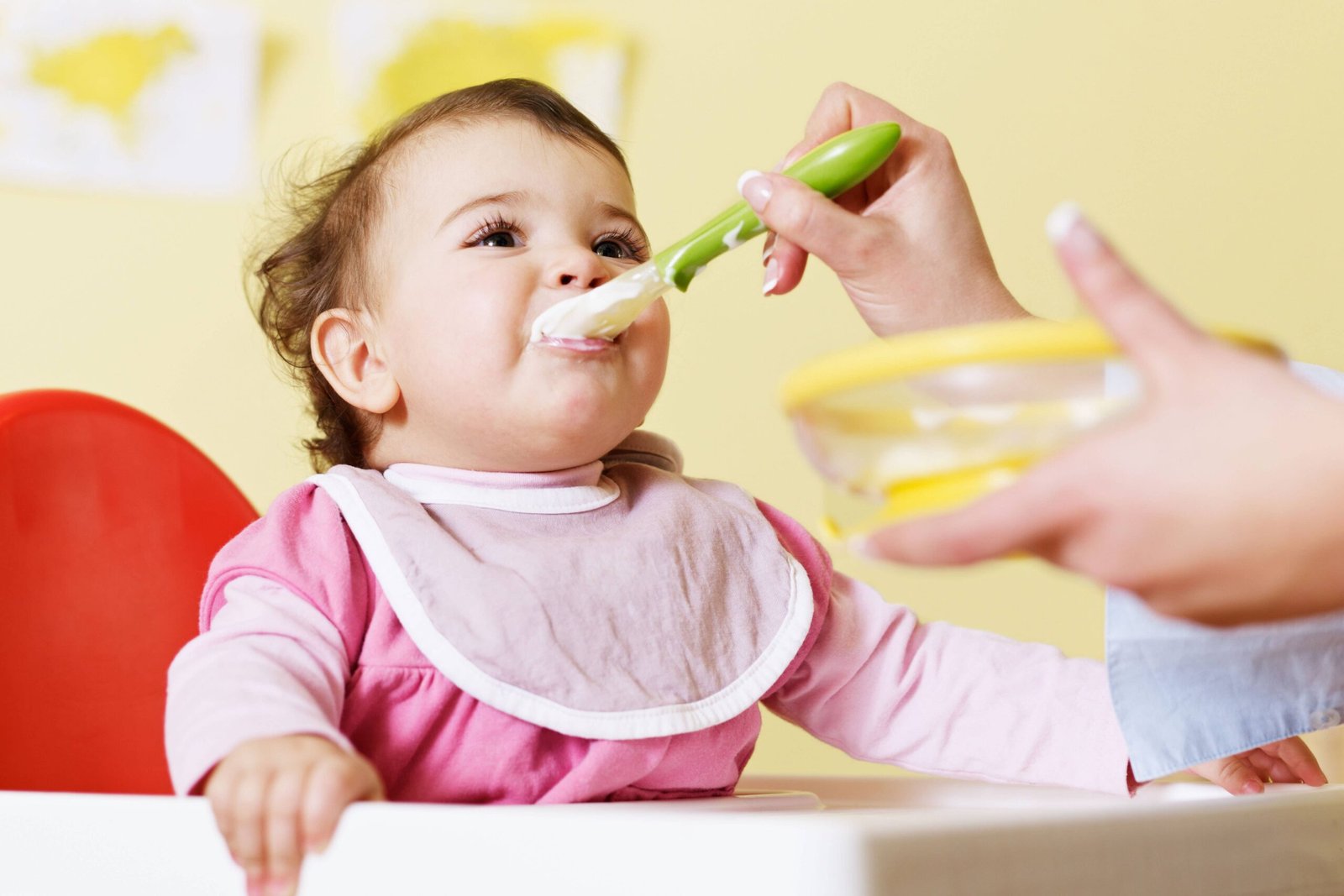
The transition to solid foods is a significant milestone in your baby’s development. It’s an exciting time to explore new tastes and textures! This guide will walk you through when and how to introduce solids, offering a helpful timeline and delicious first food ideas.
When is Baby Ready for Solids?
The American Academy of Pediatrics (AAP) recommends waiting until around 6 months of age to introduce solid foods. Look for these signs of readiness:
- Can sit up with good head and neck control.
- Shows interest in food (reaches for it, opens mouth).
- Has lost the tongue-thrust reflex (doesn’t automatically push food out of their mouth).
- Can bring hands to mouth.
Getting Started: A Gradual Approach:
- Start with Single-Ingredient Purees: Begin with smooth purees of single ingredients like iron-fortified rice cereal mixed with breast milk or formula, cooked and pureed vegetables (sweet potato, carrots, peas), or pureed fruits (banana, avocado, applesauce).
- Offer Small Amounts: Start with just 1-2 teaspoons once a day, gradually increasing the amount and frequency as your baby gets used to solids.
- Wait 3-5 Days Between New Foods: This helps you identify any potential allergies or sensitivities.
- Offer Before Milk Feedings: Your baby will be more willing to try new foods when they are not overly hungry.
- Pay Attention to Cues: Watch for signs of fullness (turning head away, closing mouth). Never force-feed.
First Food Ideas by Stage:
- Around 6 Months:
- Iron-fortified single-grain cereals (rice, oatmeal, barley) mixed with breast milk or formula.
- Pureed vegetables: sweet potato, carrots, butternut squash, green beans, peas.
- Pureed fruits: banana, avocado, cooked and pureed apple, pear, peach.
- 6-8 Months:
- Continue with single-grain cereals, vegetables, and fruits.
- Introduce pureed meats (chicken, turkey, beef) and legumes (lentils, beans).
- Offer yogurt (plain, whole milk).
- 8-12 Months:
- Offer a wider variety of textures, including mashed and soft finger foods.
- Introduce soft cheeses, pasta, and well-cooked eggs.
- Continue to offer a variety of fruits, vegetables, and protein sources.
Important Considerations:
- Avoid Honey: Honey should not be given to babies under one year old due to the risk of botulism.
- No Added Salt or Sugar: Your baby’s kidneys are still developing, and they don’t need added salt or sugar.
- Focus on Iron-Rich Foods: Iron is crucial for brain development.
- Choking Hazards: Avoid small, hard foods like whole grapes, nuts, and popcorn. Cut food into small, manageable pieces.
Enjoy the Journey!
Introducing solids is a fun and messy adventure. Be patient, let your baby explore, and celebrate each new taste and texture they experience.