
The Best Prenatal Vitamins for a Healthy Pregnancy
A healthy pregnancy begins long before conception. Optimizing your nutrition and ensuring you have the necessary vitamins and minerals is crucial for both your well-being and your baby’s development. Among the various supplements available, prenatal vitamins stand out as essential. But with so many options on the market, how do you choose the best one?
Why Prenatal Vitamins Are Important
Prenatal vitamins are specially formulated to meet the increased nutritional demands of pregnancy. They provide essential nutrients that support:
- Fetal Development: Key nutrients like folic acid, iron, and iodine play vital roles in the baby’s brain, spinal cord, and overall growth.
- Maternal Health: Pregnancy can deplete a woman’s nutrient stores. Prenatal vitamins help maintain the mother’s health and energy levels.
- Preventing Deficiencies: These vitamins help prevent common deficiencies that can lead to complications during pregnancy.
Key Nutrients to Look For
When choosing a prenatal vitamin, pay close attention to the following key nutrients:
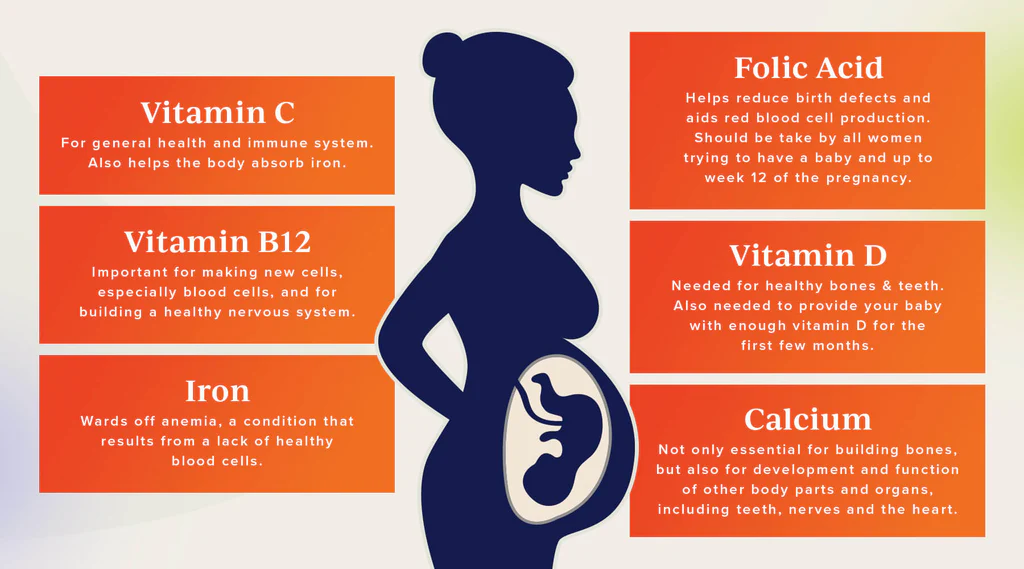
- Folic Acid (Vitamin B9): Folic acid is crucial for preventing neural tube defects, such as spina bifida. It’s most critical during the first trimester, so starting prenatal vitamins before conception is ideal.
- Iron: Iron supports the increased blood volume during pregnancy and helps prevent anemia, which can cause fatigue and other complications.
- Iodine: Iodine is essential for the baby’s brain development and thyroid function.
- Calcium: Calcium supports the development of the baby’s bones and teeth.
- Vitamin D: Vitamin D aids in calcium absorption and supports the immune system.
- DHA (Docosahexaenoic Acid): This omega-3 fatty acid is crucial for the baby’s brain and eye development.
- Choline: Choline is important for the baby’s brain and spinal cord development.
- Vitamin B12: Works with folate to support neurological development and red blood cell formation.
Types of Prenatal Vitamins
Prenatal vitamins come in various forms, each with its own advantages:
- Tablets or Capsules: These are the most common and often the most affordable.
- Chewable Vitamins: These can be a good option if you have difficulty swallowing pills.
- Gummies: While tasty, gummies may not contain iron. If you choose gummies, ensure you get enough iron from your diet or a separate supplement.
- Powders or Liquids: These can be mixed into drinks or food, which is helpful if you have severe nausea.
Choosing the Right Prenatal Vitamin
Here are some factors to consider when selecting a prenatal vitamin:
- Nutrient Content: Ensure the vitamin contains adequate amounts of the key nutrients listed above.
- Form: Choose a form that is easy for you to take and digest.
- Third-Party Testing: Look for vitamins that have been tested by a third-party organization (such as USP, NSF, or ConsumerLab.com) to ensure quality and purity.
- Ingredients: Check the label for any allergens, artificial colors, or flavors that you may want to avoid.
- Cost: Prenatal vitamins vary in price. Consider your budget, but prioritize quality and essential nutrients.
- Doctor’s Recommendation: Your healthcare provider can recommend a specific brand or type of prenatal vitamin based on your individual needs and health history.
When to Start Taking Prenatal Vitamins
Ideally, you should start taking prenatal vitamins before you conceive. This helps ensure that your body has adequate stores of essential nutrients, especially folic acid, from the earliest stages of pregnancy. If you haven’t been taking them, start as soon as you find out you’re pregnant.
Tips for Taking Prenatal Vitamins
- Take them daily: Consistency is key. Make it a habit to take your prenatal vitamin at the same time each day.
- Take with food: Taking your vitamin with a meal can help improve absorption and reduce nausea.
- Stay hydrated: Drink plenty of water to help your body absorb the nutrients.
- Don’t take other multivitamins: Prenatal vitamins are specifically formulated for pregnancy, so avoid taking other multivitamins unless your doctor advises otherwise.
- Store them properly: Keep your vitamins in a cool, dry place, out of reach of children.
Choosing the right prenatal vitamin is an important step in supporting a healthy pregnancy. By understanding the essential nutrients and considering your individual needs, you can select a vitamin that will benefit both you and your developing baby. Always consult with your healthcare provider for personalized advice and recommendations.